

Building Connection as Young People Return to School
Building Connection as Young People Return to School
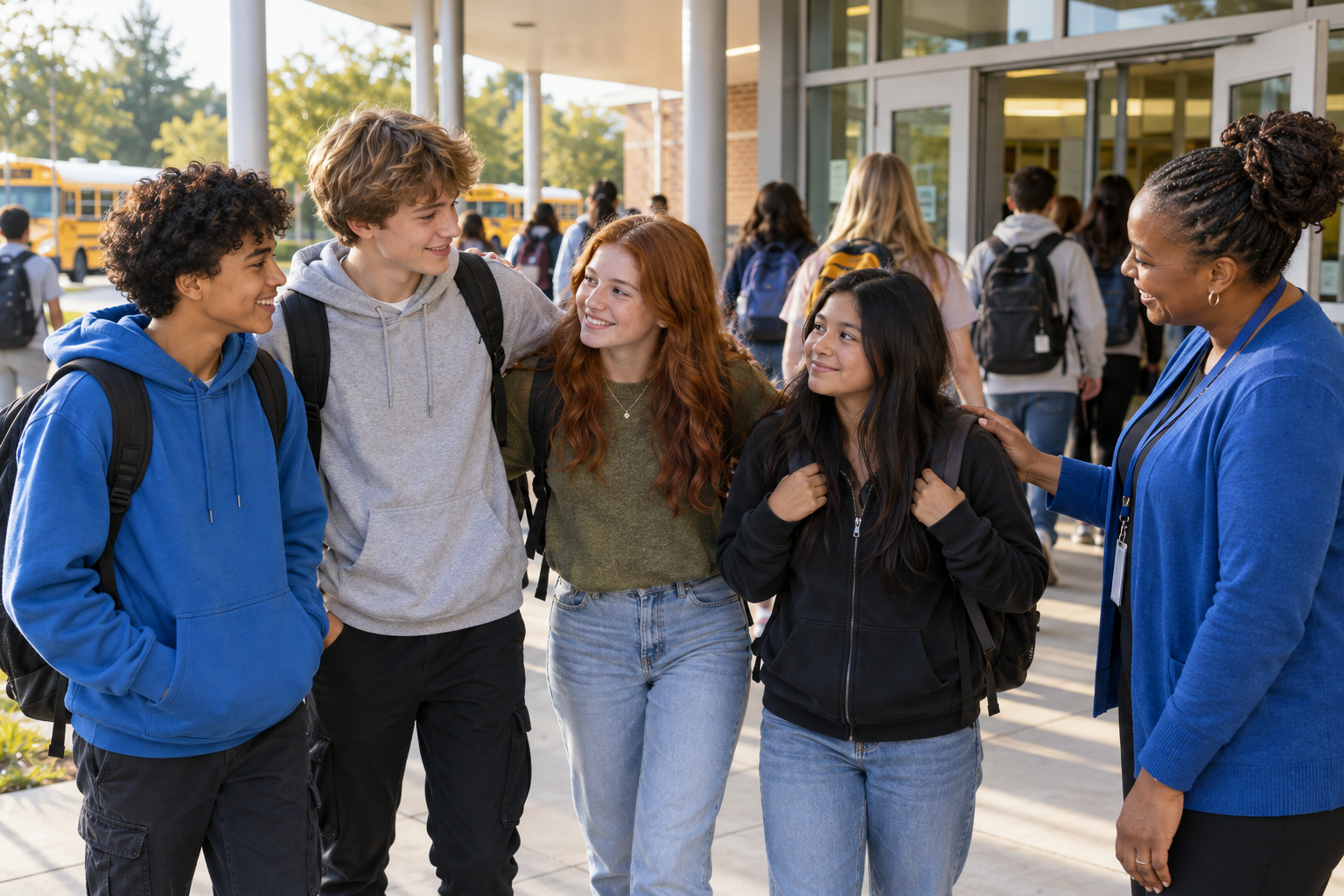
The return to school can bring possibility and stress at the same time. New routines, academic expectations, peer relationships, transportation, and changes at home can affect how young people show up in youth programs.
Ask about the transition
Create low-pressure opportunities for young people to share what feels exciting, difficult, or uncertain. Avoid assuming that returning to school is positive or negative for everyone.
Protect predictable connections
Consistent program routines and familiar adults can provide stability when other parts of the day are changing. Clearly communicate schedules, staff changes, transportation plans, and expectations.
Coordinate with consent
When appropriate and permitted, work with families, schools, and other providers to reduce conflicting expectations and connect youth with support. Include the young person in deciding what information is shared.
Notice changes without labeling
Withdrawal, irritability, exhaustion, missed activities, or changes in behavior may signal stress. Approach with curiosity and offer support instead of treating every change as noncompliance.
Connectedness grows when young people experience care, belonging, and support across settings. Youth-serving organizations can provide an important bridge by maintaining dependable relationships during periods of change.
Resources