
Operation Angel Resources
Know the signs. Trust yourself. Get support.
Your safety matters. Sometimes unsafe situations are obvious. Other times, they start small, a message, request, secret, or situation that does not feel right.
Operation Angel Summit helps youth recognize risks, understand warning signs, and know where to find help. If you or someone you know is experiencing pressure, threats, exploitation, or an unsafe situation, you are not alone. Support is available.
Understanding Online Risks
Unsafe situations do not always start out feeling unsafe. Sometimes they begin with attention, friendship, compliments, opportunities, or someone gaining your trust. People who cause harm may seem friendly, caring, or trustworthy at first.
Anyone can experience pressure or manipulation. Learning the warning signs can help you protect yourself and support a friend who may need help.
Understanding different risks and what they may look like can help you take action and find support for yourself or someone you care about.
What is grooming?
Grooming happens when someone builds trust or a relationship with another person in order to gain influence or control. This may include giving extra attention, asking for secrecy, testing boundaries, or trying to separate someone from people who support them.
What is exploitation?
Exploitation happens when someone pressures, tricks, threatens, or manipulates another person for their own benefit.
This can happen online or in person and may involve personal information, images, money, favors, or unsafe situations.
What is sextortion?
Sextortion is a form of online exploitation where someone threatens, pressures, or manipulates another person using private images, messages, or personal information to gain control or demand something from them.
If this happens, asking for help is important. There are steps you can take.
What is trafficking?
Trafficking happens when someone uses force, fraud, or coercion to exploit another person for labor, services, or commercial sex.
Trafficking does not always involve kidnapping or strangers. Sometimes the person causing harm is someone the individual knows.
Recognize the Warning Signs
Someone may be trying to control, pressure, or exploit you if they:

Ask you to keep conversations, relationships, or activities secret
Safe relationships don’t require secrecy.
If someone tells you not to tell anyone about your conversations, relationship, plans, or activities, pay attention to how that makes you feel. Healthy relationships allow you to stay connected with people who care about you.
If something feels wrong, talk with a trusted adult, friend, or support person. You do not have to figure it out alone.

Pressure you to send photos, videos, or personal information
Pause before you share.
Once something is shared digitally, you may lose control over where it goes or who sees it. Someone may promise to keep it private but later use it to pressure, embarrass, or control you.
If someone keeps asking after you say no, pressures you, or makes you uncomfortable, stop and talk with someone you trust.
Threaten to share something about you
Threats are about control. You have options.
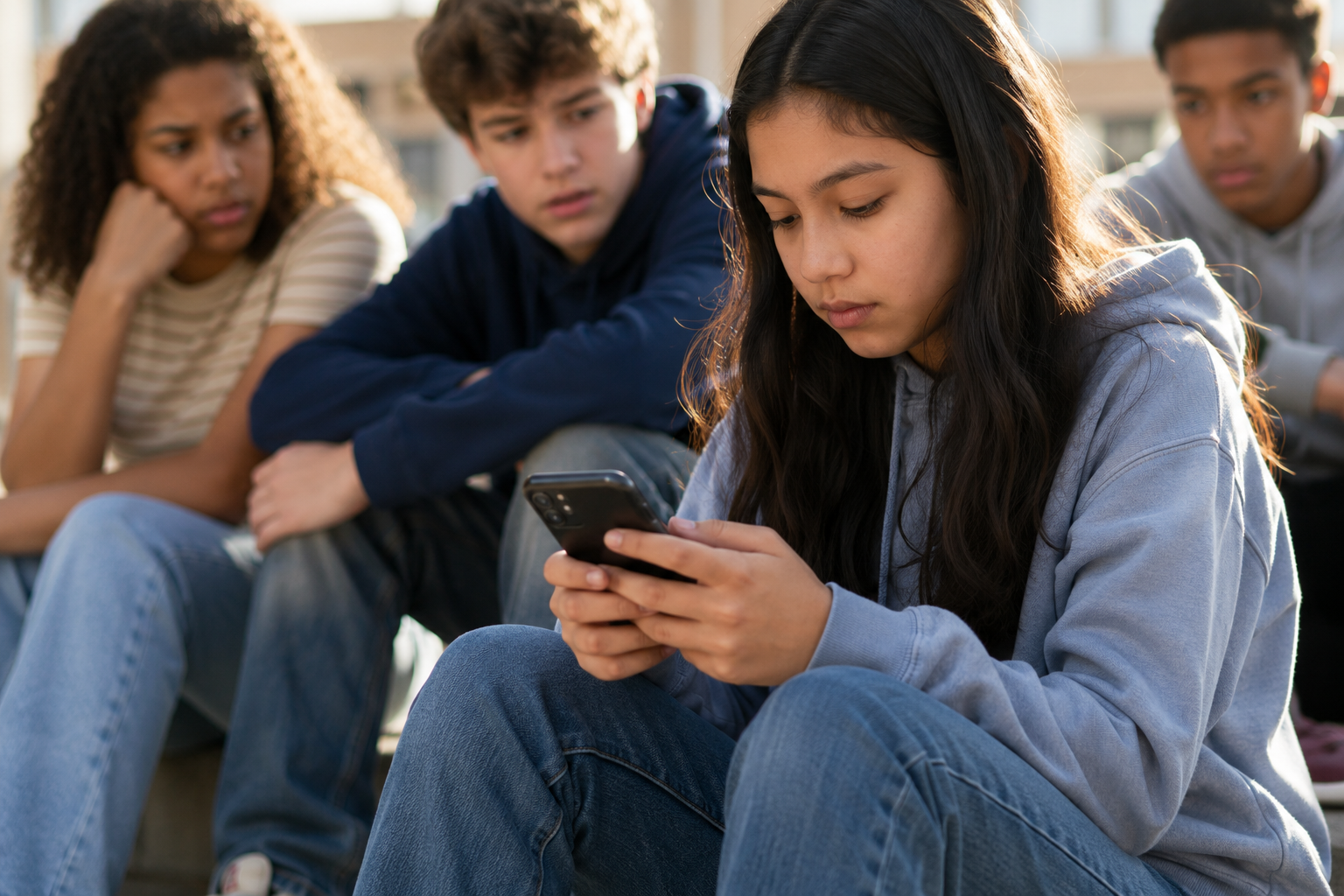
Someone may threaten to share pictures, messages, personal information, rumors, or secrets to make you feel scared or keep you from asking for help.
Do not let threats force you into doing something you don’t want to do. Save messages if you safely can and reach out to someone who can help.

Offer gifts, money, attention, or opportunities in exchange for something
Ask yourself: “What do they expect in return?”
Kindness and support should not come with pressure or conditions. Be cautious if someone gives you gifts, attention, money, opportunities, or special treatment and then expects something from you.
Trust your instincts and talk with someone you trust if an offer does not feel right.

Try to separate you from friends, family, or trusted adults
People who care about you want you to have support.
A warning sign may be someone encouraging you to ignore people you trust, stop talking to friends, hide things from family, or depend only on them.
Staying connected with supportive people helps keep you safe.

Make you feel afraid, trapped, guilty, or unable to say no
Your feelings matter. Your choices matter.
A person may use guilt, fear, pressure, or manipulation to get you to do something you don’t want to do.
You are allowed to set boundaries, change your mind, ask questions, and ask for help.

Ask you to meet somewhere privately without telling anyone
Make a safety plan before you go.
Before meeting someone, especially someone you met online, talk with a trusted person.
Think about: Does someone know where you are? Do you feel pressured to keep it private? Would you still go if someone else knew?
If someone insists that nobody can know, that is a warning sign.

Control who you talk to, where you go, or what you do
Healthy relationships respect your independence.
Someone who cares about you should not control your friendships, activities, choices, or access to support.
You deserve relationships built on respect and trust.
Online Risks & Safety Steps
Need Help Now?
If you need help, you have two safe options.
Go to a Safe Place®
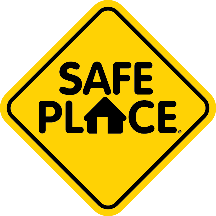
If you see the yellow and black Safe Place sign:
- Walk inside.
- Tell an employee, “I need help.”
- A trained responder will connect you with support.
Use TXT 4 HELP™
Need someone to talk to, but not ready to ask in person? Text SAFE and your current location to 4HELP (44357).
TXT 4 HELP is available 24/7 and connects youth with support when they need it.
Worried About Someone Else?
You do not have to have all the answers to help a friend.
You can:
- Check in with them privately
- Listen without judgment
- Encourage them to talk to a trusted adult
- Share Safe Place or TXT 4 HELP
If someone is in immediate danger, contact emergency services.
Additional Resources
Image-Based Abuse: Take It Down
A free service from the National Center for Missing & Exploited Children to help remove or stop the online sharing of certain images.
Online Exploitation: CyberTipline
Report suspected online exploitation involving youth.
Remember
You are allowed to ask for help.
You are allowed to say no.
You are allowed to leave situations that make you uncomfortable.
You deserve to feel safe.
If someone threatens to share something about you, there are people who can help. You do not have to respond to threats or handle the situation alone.
Safe Place and TXT 4 HELP are here when you need support.
Operation Angel Summit is presented in partnership with the U.S. Secret Service and the Kentucky Attorney General’s Office. Youth resource notebooks distributed through Operation Angel Summit were made possible through the generous support of the Kentucky Colonels. Host an Operation Angel Summit in your community. Learn more here.